Written by: Clearbrook Editorial Staff | Medically reviewed by: Dr. Darrin Mangiacarne - Chief Medical Officer | Edited: October 2026
Anxiety is one of the most common mental health conditions in the country, and for many adults it doesn't respond to weekly therapy alone. When symptoms make it hard to work, sleep, or leave the house, a more structured level of care can provide support that a weekly appointment can't.
Clearbrook Treatment Centers provides residential anxiety treatment for adults at two locations, Laurel Run, Pennsylvania, and Baldwinville, Massachusetts, and both treat anxiety as a primary condition. For adults in Pennsylvania who don't need to live on site, Clearbrook Pennsylvania also offers a virtual intensive outpatient program (IOP) for mental health, so care can continue from home. To see the full range of conditions treated at both locations, visit our mental health treatment page.
Where We Provide Anxiety Treatment
Anxiety Treatment in Pennsylvania

Clearbrook Pennsylvania in Laurel Run offers two levels of care for anxiety:
- Residential treatment: live-in care with medical and clinical staff on site around the clock, for adults whose symptoms need daily structure and support.
- Virtual IOP: structured treatment by video for adults throughout Pennsylvania, including people stepping down from residential care and people who need more than weekly therapy but can manage at home.
Clearbrook Pennsylvania serves Wilkes-Barre, Scranton, the Lehigh Valley, and the wider Luzerne County area, and accepts clients from outside the region.
Anxiety Treatment in Massachusetts
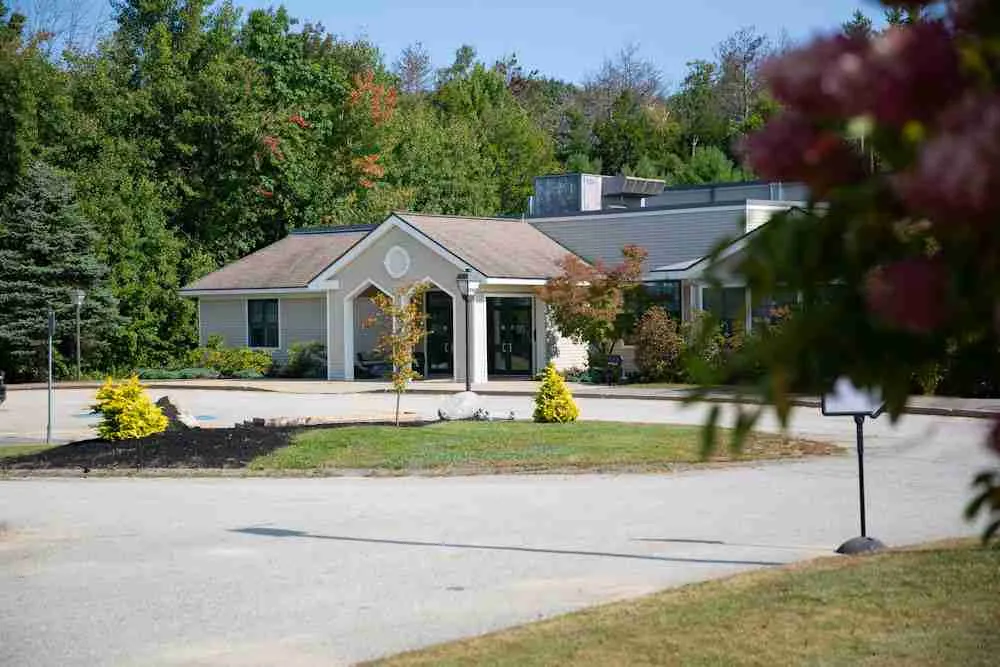
Clearbrook Massachusetts in Baldwinville provides residential anxiety treatment on a wooded campus, with medical and clinical staff on site around the clock. It serves Worcester, Springfield, the North Quabbin region, and central Massachusetts, and accepts clients from across New England and beyond.
Questions about our Facilities or Programs?
Our admissions coordinators are available 24/7 to answer any questions you may have as you consider whether treatment at Clearbrook Treatment Center is right for you or your loved one.

Choosing the Right Level of Care for Anxiety
Not everyone with anxiety needs the same intensity of treatment. A clinical assessment looks at symptom severity, daily functioning, safety, medical needs, and the support available at home, and recommends a level of care from there.
Residential Anxiety Treatment
Residential anxiety treatment, also called inpatient anxiety treatment, provides intensive care in a live-in setting, with medical and clinical staff available 24 hours a day. It's often the right fit when anxiety is interfering with work, sleep, relationships, or basic daily functioning, or when outpatient care hasn't been enough. Living on site removes the daily pressures that sustain symptoms and puts clinical support within reach at any hour. Length of stay is set clinically and reviewed throughout treatment.
Virtual Intensive Outpatient Program (IOP) in Pennsylvania
An intensive outpatient program provides several therapy sessions each week while you live at home and keep up with work, school, or family. Clearbrook Pennsylvania's IOP is delivered virtually, through video sessions that include individual therapy, group therapy, and medication management.
Virtual IOP can be:
- A starting point: for adults whose anxiety needs more than weekly therapy but who don't need 24-hour care.
- A step down: after residential treatment, so clients can practice the skills built in residential care in daily life with clinical support still in place.
Learn more about telehealth treatment at Clearbrook.
Common Types of Anxiety Disorders We Treat
Clearbrook Treatment Centers treats adults aged 18 and older across the anxiety spectrum, including clients whose anxiety occurs alongside depression, trauma, or a substance use disorder.
- Generalized anxiety disorder
- Panic disorder
- Social anxiety disorder
- Phobia-related disorders
- Anxiety with a co-occurring substance use disorder
Clearbrook Treatment Centers also treats obsessive-compulsive disorder, which commonly occurs alongside anxiety, and post-traumatic stress disorder, including complex trauma. While OCD and PTSD aren't classified as anxiety disorders, both can involve significant anxiety, fear, avoidance, and other symptoms that overlap with anxiety disorders.
Treatment plans focus on the individual rather than the diagnosis. Two clients with the same condition can need very different care depending on symptom severity, medical history, and what has or hasn't worked for them before.
Common Anxiety Symptoms and Signs to Know
Anxiety shows up in the body as much as in the mind, which is part of why it's often missed or attributed to something else.
- Persistent worry that is difficult to control
- Restlessness, irritability, or feeling on edge
- Trouble falling asleep or staying asleep
- Muscle tension, headaches or stomach problems
- Racing heart, shortness of breath or dizziness
- Difficulty concentrating or memory lapses
- Avoiding places, people or situations
Anxiety is common, and it has been rising. In 2022, an estimated 18.2% of U.S. adults experienced symptoms of anxiety, up from 15.6% in 2019, according to National Center for Health Statistics data published in 2024. Symptoms that last for months, worsen over time, or start shaping daily decisions warrant a clinical evaluation.
Getting into treatment is easy with our free insurance verification
"*" indicates required fields
How Is Anxiety Diagnosed?
Diagnosis begins with a clinical assessment rather than a questionnaire. At Clearbrook Treatment Centers, a licensed clinician reviews symptom history, medical history, previous treatment, substance use, and current living situation. Physical causes are considered as well, since thyroid conditions, medication side effects, and withdrawal can all produce symptoms that resemble anxiety.
The assessment also determines the right level of care. Some people need residential treatment, some are a better fit for virtual IOP, and some do well with outpatient therapy near home. The clinical team will tell you which one fits.

What Our Anxiety Treatment Program Offers
Treatment at Clearbrook combines clinical therapy, medical oversight, and structure. The elements below work together rather than in isolation.
Stabilizing Symptoms
The first days of residential care focus on controlling acute symptoms so a client can actively engage in therapy. This may involve medication, sleep support, and removing the daily pressures that have been feeding the anxiety.
Structured Therapy Sessions
Clients take part in individual and group therapy using evidence-based approaches, including:
- Cognitive behavioral therapy
- Dialectical behavior therapy
- Eye movement desensitization and reprocessing
- Motivational interviewing
At Clearbrook Massachusetts, clients may also take part in solution-focused brief therapy, a goal-oriented approach that builds on the strengths and coping skills a person already has instead of focusing only on the problem.
Medication Management
Where medication is part of the plan, a prescriber monitors response and adjusts as needed. In residential care, changes can be observed closely rather than assessed weeks apart. Medication management continues in virtual IOP.
Daily Routine Development
A typical day in residential treatment includes sleep, meals, movement, and structured time. For many clients with anxiety, restoring a predictable routine is one of the most lasting gains of a residential stay.
Peer Support
Clients work alongside others managing similar conditions, in residential groups and in virtual IOP groups. Shared experience reduces the isolation that often comes with an anxiety disorder.
Transition Planning
Discharge planning begins early. The clinical team coordinates continuing care, whether that's a step down to Clearbrook Pennsylvania's virtual IOP for clients who live in Pennsylvania, outpatient therapy near home, or alumni support.
Why Choose Clearbrook Treatment Centers for Anxiety Treatment?
Clearbrook runs two residential locations rather than a single site, which gives clients and families a choice of setting. The Pennsylvania facility in Laurel Run sits in the mountains of Northeast Pennsylvania and has a dedicated residential mental health program, plus virtual IOP for adults across the state. The Massachusetts facility in Baldwinville runs its own residential mental health program on a wooded campus.
Both locations treat anxiety as a primary condition, not as an add-on to addiction treatment, and both treat anxiety alongside a substance use disorder when the two occur together. Clearbrook welcomes veterans, first responders, and LGBTQ+ clients.
Insurance for Anxiety Treatment
Many insurance plans cover residential mental health treatment and intensive outpatient care, though details vary by plan and by state. Coverage typically depends on medical necessity, which the clinical assessment helps establish.
Clearbrook Treatment Centers verifies insurance benefits as part of admissions. Families are welcome to begin that process before making a decision about treatment.
Our Licensing and Accreditation
Clearbrook Pennsylvania is licensed by the Pennsylvania Office of Mental Health and Substance Abuse Services as a Residential Treatment Facility for Adults. Clearbrook Massachusetts is licensed by the Massachusetts Department of Mental Health. Both facilities are accredited by The Joint Commission, a facility-level credential awarded after review of clinical practice, safety, and quality standards.
Get Help Today at Clearbrook Treatment Centers for Anxiety
Anxiety that has reached the point of interfering with work, relationships, or daily routine doesn't usually resolve on its own. A clinical assessment is the starting point, and it carries no obligation to enter treatment.
Admissions coordinators are available 24/7. Verify your insurance or call to speak with the admissions team about which location and level of care fit.
Frequently Asked Questions About Anxiety Treatment
- Centers for Disease Control and Prevention, National Center for Health Statistics. Symptoms of Anxiety and Depression Among Adults: United States, 2019 and 2022. National Health Statistics Reports No. 213. November 2024.
- National Institute of Mental Health. Anxiety Disorders. Last reviewed December 2024.
- National Institute of Mental Health. Psychotherapies. Last reviewed February 2024.