Inpatient Residential Rehab
Residential Treatment Centers in Massachusetts & Pennsylvania
Clearbrook's Joint Commission-accredited Northeast rehab locations offer 24/7, highly structured residential care for adults struggling with severe drug and alcohol problems and co-occurring mental health conditions.
Medical Detox in Pennsylvania and Massachusetts
Begin your recovery with Clearbrook's medical detox program. Receive medically supervised care to safely manage withdrawal symptoms.
Clearbrook Treatment Centers provides medically supervised detox at two campuses: Clearbrook Pennsylvania in Laurel Run, near Wilkes-Barre, and Clearbrook Massachusetts in Baldwinville. At both locations, medical and nursing staff are on site around the clock to keep withdrawal as safe and comfortable as possible.
Detox is the first step, not the whole plan. When it's complete, clients can move directly into residential treatment on the same campus, so there's no gap between getting through withdrawal and starting recovery.
Admissions Is Open 24/7
Not Sure Which Location Fits?
You don't need to have it figured out before you call. One conversation with admissions covers clinical fit, insurance, and which campus has the right program and an open bed, so you or your loved one can start care sooner.
Free and confidential. No commitment.
What happens on the call
- A brief, private assessment
We talk through substance use, mental health, and medical history to find the right level of care. - A benefits check before admission
Both facilities are in network with commercial carriers and accept VA Community Care and EAPs. - A clear recommendation
Pennsylvania or Massachusetts, based on clinical fit, programming, and bed availability, including same-day admission when a bed is open.
Understanding Detox
What Is Medical Detox?
Medical detox is a supervised process that helps a person safely stop using drugs or alcohol while their body adjusts. Over time, regular substance use leads to physical dependence. The body adapts to the substance, needs more of it to feel the same effect, and reacts when it's suddenly gone. That reaction is withdrawal.
Withdrawal can range from uncomfortable to dangerous, depending on the substance, how much and how long it was used, and a person's overall health. Medically supervised detox, also called withdrawal management, gives a person 24-hour medical monitoring, medication to ease symptoms when needed, and quick treatment if complications develop. It also removes easy access to the substance during the hardest days, when cravings are strongest.
Detox Process
What to Expect During Detox at Clearbrook
Admission and Medical Assessment
Detox starts with a full assessment. The medical team reviews substance use history, physical and mental health, current medications, and past withdrawal experiences. This information helps create an individualized detox plan.
24-Hour Medical Monitoring
Nurses and medical staff check vital signs and withdrawal symptoms throughout the day and night. If symptoms change, the plan changes with them.
Medications That Ease Withdrawal
When appropriate, the medical team uses medications to relieve symptoms, reduce cravings, and lower the risk of complications. Medication decisions are made by the prescribing team for each person.
Moving Into Treatment
As withdrawal settles, the clinical team works with each client on the next step, usually residential treatment on the same campus.

Detox Timeline
How Long Does Detox Take?
There's no single answer, because detox is set by how a person's body responds rather than a fixed schedule. The main factors are:
- The substance or substances used
- How much was used, how often, and for how long
- Physical health and age
- Co-occurring mental health conditions
- Past experiences with withdrawal
Some withdrawal symptoms begin within hours of the last use and ease within a few days. Others can last for weeks. Alcohol withdrawal, for example, usually begins within 8 hours of the last drink and peaks between 24 and 72 hours, though some symptoms can continue for weeks. The medical team monitors progress daily and decides when a client is ready to move on.
Common withdrawal symptoms include:
- Anxiety and irritability
- Sweating, chills, and fever
- Nausea and vomiting
- Body aches and shaking
- Headaches
- Fatigue
- Trouble sleeping
- Increased heart rate and blood pressure
- Cravings
- Hallucinations, in more severe cases
Medication-Assisted Treatment
Medications Used in Medical Detox
Clearbrook offers medication-assisted treatment as part of detox and ongoing care. Depending on the substance and the person, the medical team may use:
- Buprenorphine to ease opioid withdrawal and reduce cravings. Common brand names include Suboxone, and buprenorphine-only tablets are still often called Subutex.
- Methadone for some people with opioid use disorder, including those already taking it when they arrive, when the medical team determines it's the right fit.
- Naltrexone to help prevent a return to opioid or alcohol use once withdrawal is complete.
- Comfort and safety medications to manage symptoms such as anxiety, nausea, sleep problems, and, for alcohol and benzodiazepine withdrawal, the risk of seizures.
People who are already taking medication for opioid use disorder prescribed by another provider can still come to Clearbrook for treatment. Admissions will explain what to bring and how the medical team coordinates care. Learn more about medication-assisted treatment at Clearbrook.
Substances We Help People Detox From
Withdrawal from some substances is more than uncomfortable. Alcohol and benzodiazepine withdrawal can cause seizures and, in severe cases, delirium tremens, a medical emergency. This is the main reason supervised detox matters: problems can be caught and treated right away instead of after they become dangerous.
Detox Pennsylvania
Medical Detox at Clearbrook Pennsylvania
Clearbrook's Pennsylvania facility sits in Laurel Run, near Wilkes-Barre, and serves people from northeastern Pennsylvania and beyond. The campus brings together medical detox, residential substance use treatment, and residential mental health treatment, so clients can stay in one place as they move from detox into care.
Next Steps After Detox in Pennsylvania
After detox, clients in Pennsylvania can move into residential treatment for substance use or residential mental health treatment. Later steps can include the on-site partial hospitalization program and a virtual intensive outpatient program for continuing care from home.
Clearbrook Pennsylvania is licensed by the Pennsylvania Department of Drug and Alcohol Programs for inpatient non-hospital detoxification and is accredited by The Joint Commission.
Detox Massachusetts
Medical Detox at Clearbrook Massachusetts
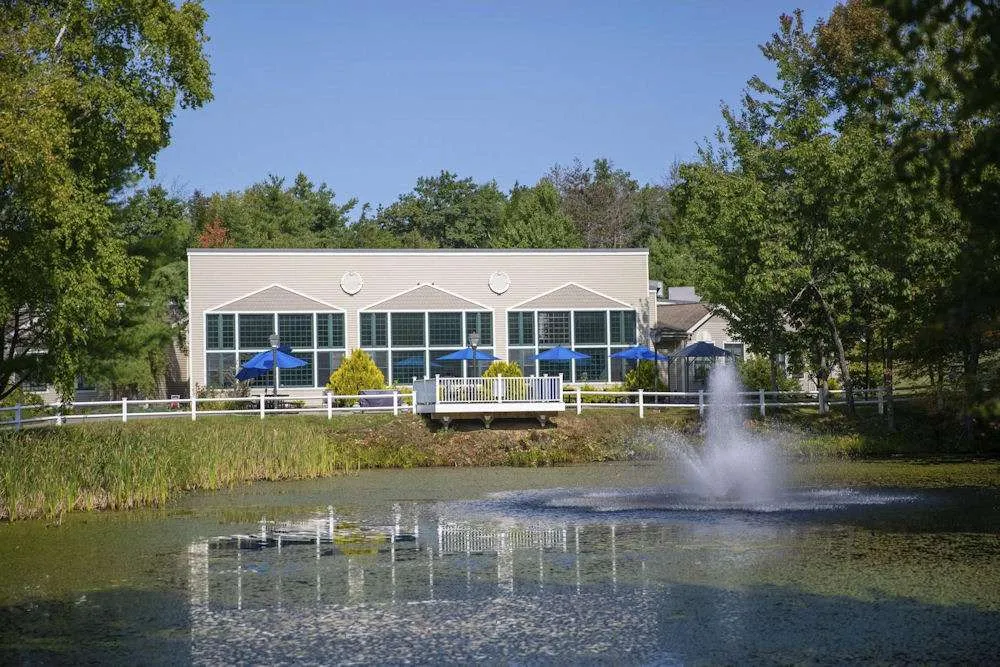
Clearbrook's Massachusetts facility sits on a wooded campus in Baldwinville, in north-central Massachusetts, within driving distance of Worcester and the rest of Worcester County. The campus brings together medical detox, residential substance use treatment, and residential mental health treatment.
Next Steps After Detox in Massachusetts
After detox, clients in Massachusetts can move into residential treatment for substance use or residential mental health treatment. Police officers, firefighters, EMS, and other first responders can continue into First Responders in Recovery, a dedicated residential program with its own housing.

Clearbrook Massachusetts is licensed by the Massachusetts Bureau of Substance Addiction Services for Level 3.7 withdrawal management and is accredited by The Joint Commission.
Level of Care
Detox for People With Co-Occurring Mental Health Conditions
Substance use and mental health conditions often happen together. Anxiety, depression, and trauma can make withdrawal harder, and withdrawal can make those symptoms worse. Both Clearbrook locations treat substance use and mental health, so the medical and clinical teams can address both from the first day of detox. After detox, clients whose needs are mainly mental health can move into residential mental health care on the same campus. Learn more about dual diagnosis treatment and mental health treatment at Clearbrook.

Continuing Care
After Detox: Continuing Care at Clearbrook
Detox helps a person get through withdrawal safely, but it doesn't treat the reasons behind substance use. The National Institute on Drug Abuse describes medically assisted detoxification as only the first stage of addiction treatment, noting that on its own it does little to change long-term drug use. That's why detox at Clearbrook leads directly into treatment.
Both campuses offer residential treatment, where clients take part in individual and group therapy, relapse prevention, family programming, and recovery support. Residential treatment at both facilities is certified by CARF International for ASAM Levels of Care 3.5 and 3.7. In Pennsylvania, the partial hospitalization program and virtual IOP are available as later steps. Both locations offer an alumni program for ongoing connection after treatment.

Free Insurance Verification
Are You or a Loved One Struggling with Drugs or Alcohol?
Both facilities hold in-network contracts with commercial carriers and accept VA Community Care and employee assistance programs. Coverage varies by plan and level of care, so admissions verifies benefits before admission.
Free Insurance Verification
Find out if your insurance covers treatment at Clearbrook.
"*" indicates required fields
Frequently Asked Questions About
Medical Detox
Start Detox at Clearbrook
Admissions is available 24/7 to answer questions, check insurance, and help you choose the location that fits. Contact the admissions team to get started.

Sources
- MedlinePlus, U.S. National Library of Medicine. Alcohol Withdrawal. Reviewed January 2025.
- National Institute on Drug Abuse. Principles of Drug Addiction Treatment: A Research-Based Guide, Third Edition.